Complete Guide to exploring iconic baseball collections
Complete Guide to exploring iconic baseball collections
Blog Article
Uncovering America's Past at the National Ballpark Museum
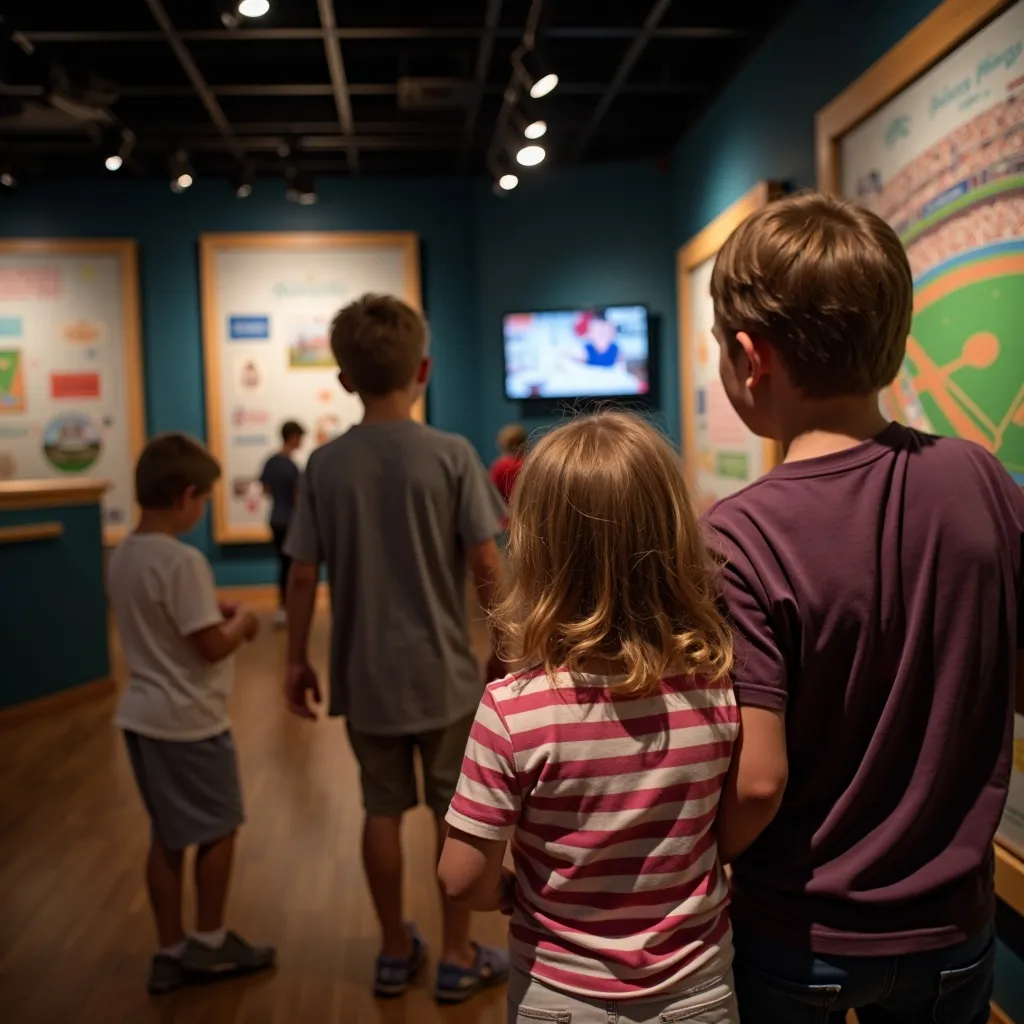
The National Ballpark Museum presents a distinctive perspective into America's baseball legacy. Through its assemblage of artifacts and presentations, visitors can explore the sport's development alongside social changes. Legendary uniforms and uncommon pictures tell stories of icons and their influence on the game. As families engage with hands-on displays, they discover how baseball remains connected with American culture. What revelations might this museum reveal about the tomorrow of the sport?
The Notable Traditions of Baseball in America
Baseball, widely recognized as America's cherished sport, has a colorful past that helps define the cultural character of the nation. Materializing in the nineteenth century, the sport swiftly gained traction, displaying the social movements and local identities of the moment. The development of structured professional leagues transformed baseball into a essential element of American entertainment, with the National League forming in 1876 and the American League following in 1901.
Major occasions, such as the inclusion of baseball in 1947 with Jackie Robinson, represented considerable societal shifts, defying conventional norms and furthering civil rights. The game has also observed celebrated figures, from Babe Ruth to Hank Aaron, whose contributions echo beyond the diamond. Historic ballparks have held countless memorable moments, fostering a collective experience for fans. Overall, baseball functions as a mirror of American history, encapsulating triumphs, struggles, and the enduring spirit of a nation united by its devotion for the game.
Historic Baseball Treasures You Shouldn't Bypass
While recollections of legendary games and historic moments linger in the thoughts of fans, iconic baseball memorabilia acts as tangible connections to the sport's storied past. The National Ballpark Museum contains an remarkable assortment, featuring items that encapsulate the essence of baseball's past. Visitors can gaze at vintage uniforms donned by Hall of Famers, each thread telling a story of triumph and perseverance. Autographed baseballs, preserved in glass cases, provide views into individual relationships between players and fans, while scarce images commemorate pivotal moments in baseball history.
Among the celebrated features are winning bands, capturing the pinnacle of excellence, and historical game tickets that convey patrons back to iconic matches. Each artifact inspires consideration and appreciation for the game's advancement. This strategically assembled collection not only exhibits the sport's defining moments but also triggers sentimental reflections, reminding audiences of the enduring legacy of America's pastime.
Meet the Legends: The Way the Museum Displays Baseball Icons
Recognition of baseball icons dominates the atmosphere of the National Ballpark Museum, where visitors are invited to discover the lives and achievements of the sport's most legendary figures. The museum displays engaging exhibits that spotlight the careers of baseball stars, offering artifacts, photographs, and interactive displays that bring their stories to life. Each section is meticulously curated to reflect the unique contributions of players such as Babe Ruth, Jackie Robinson, and Hank Aaron, showcasing their impact both on and off the field.
The museum also holds special events and guest speakers, offering fans with opportunities to hear firsthand accounts and insights from former players and historians. This dedication to honoring baseball icons cultivates a deep connection between visitors and the legends who molded the game. Through its immersive environment, the National Ballpark Museum ensures that the legacy of these players keeps inspiring future generations of baseball enthusiasts.
Explore How Baseball Stadiums Have Advanced
Baseball has evolved throughout the decades, and its stadiums have experienced considerable renovation to address the shifting preferences of fans and players alike. Early ballparks were typically basic, featuring wooden bleachers and sparse amenities, built chiefly to the game itself. Yet, as the sport rose in popularity, stadiums started to integrate additional features, including enhanced seating, concessions, and restrooms, boosting the overall experience.
The introduction of contemporary innovations led to major improvements, including video scoreboards and improved sound systems. From a design perspective, stadiums evolved from the traditional, balanced layouts to more unique, fan-oriented layouts, establishing engaging spaces that showcase local culture. The growth of business partnerships also influenced design, with luxury boxes and premium seating becoming commonplace. Today, stadiums are multi-functional venues, hosting shows and activities beyond baseball, demonstrating their adaptability and importance in American culture. This evolution showcases not just a sport, but a thriving gathering place.
Family-Oriented-Pastimes at the National Ballpark Museum
The National Ballpark Museum delivers a collection of child-appropriate experiences that acknowledge the extensive history of baseball and its celebrated stadiums. Families can experience hands-on experiences that prompt children to connect with the sport's history through participatory installations. A scavenger hunt throughout the museum motivates young visitors to investigate artifacts and learn about legendary players and significant events.
Furthermore, the museum hosts training programs where children can refine their baseball skills, gain knowledge about the science of the game, and participate in storytelling sessions about famous teams and their achievements. Notable occasions, such as family days, often include guest speakers from the baseball community, contributing a personal touch to the experience. With its lively environment and diverse offerings, the National Ballpark Museum inspires a love for baseball, making it an ideal destination for families looking to enjoy time together over America's favorite pastime.
Arrange Your Trip to the National Ballpark Museum
Curious about how to get the most from a visit to the National Ballpark Museum? Visitors are encouraged to review the museum's online platform for current hours and admission fees before planning their trip. Located in Denver, Colorado, the museum is easily accessible via public transportation and offers adjacent parking options. It is recommended to allocate at least two hours to tour the extensive exhibits, which display baseball history and memorabilia.
For those seeking a structured tour, the museum provides knowledgeable tours that explore further into the pieces. Families can experience engaging exhibits, making it a unforgettable visit for all ages. Additionally, patrons should reflect on timing their visit to align with unique gatherings or new collections for an enhanced experience. Finally, the museum shop provides special mementos for admirers to carry away, ensuring that the visit leaves a enduring memory.
Commonly Sought Questions
What Are the Museum's Hours of Operation?
The National Ballpark Museum museum operates from 10 AM to 5 PM, Tuesday through Sunday. It remains closed on Mondays, enabling staff to maintain exhibits and prepare for the next day's visitors enthusiastic to explore its collections.
Does the Museum Require an Admission Fee?
The museum necessitates a conservative admission fee for entry. Visitors can discover a rich collection of historical exhibits and artifacts, enhancing their understanding of the sport's influence on American culture and history.
Are there professional tours accessible at the Museum?
Guided excursions are available at the museum, delivering guests an in-depth experience. Knowledgeable guides share insights and stories about the collections, deepening the grasp of baseball history and its cultural relevance.
Can I Acquire Souvenirs at the Museum?
At the museum, souvenirs are available for purchase. Visitors can find a variety of mementos, including apparel, collectibles, and themed pieces, allowing them the chance to take home a piece of their journey.
Can You Access the Museum with a Mobility Device?
The museum is wheelchair accessible, ensuring that all visitors can explore its displays comfortably. Accessible ramps and marked routes are available, encouraging inclusive access and allowing everyone to enjoy the rich history showcased within its spaces.
Please visit one of our local supporters - True Joy Birthing Denver Doula
Report this page